How to Start a Weight Loss Diet Without Starving Yourself. Starting a weight loss diet doesn’t have to mean starving yourself. In fact, a successful weight loss journey is often about making sustainable lifestyle changes rather than drastically cutting calories.
By focusing on nutrient-dense foods and adopting healthy eating habits, you can achieve your weight loss goals while still enjoying your favorite foods in moderation. This approach not only helps in shedding pounds but also ensures that you’re nourishing your body.
You will learn how to begin your weight loss diet without feeling deprived or hungry all the time. The key is to make informed choices that promote a balanced diet and a healthier relationship with food.
Table of Contents
ToggleUnderstand Your Weight Loss Goals
Defining your weight loss goals is the foundational step towards achieving them. Understanding what you want to accomplish helps in creating a focused plan.
How to Start a Weight Loss Diet : Define Your Ideal Weight
To start, you need to determine your ideal weight. This involves assessing your current health status, including factors like your body mass index (BMI), waist circumference, and overall health.
Consider the following steps to define your ideal weight:
- Consult with a healthcare professional to understand your healthy weight range.
- Use BMI calculators or other health assessment tools.
- Set a target weight that is both realistic and healthy for your body type.
Set Realistic Milestones
Once you’ve defined your ideal weight, the next step is to set realistic milestones. This involves breaking down your long-term goal into smaller, achievable targets.
Key considerations for setting milestones include:
- Aiming to lose 1-2 pounds per week for a sustainable weight loss.
- Creating a timeline that allows for gradual progress.
- Celebrating small victories along the way to stay motivated.
By setting realistic and achievable milestones, you can maintain motivation and track your progress effectively.
The Importance of a Balanced Diet
A balanced diet is the foundation upon which a successful weight loss plan is built. It ensures that your body receives the necessary nutrients to function optimally, supporting your overall health and weight loss goals.
Nutrients Your Body Needs
Understanding the different types of nutrients is crucial for making informed dietary choices. Your diet consists of macronutrients and micronutrients, each playing a unique role in your health.
Macronutrients Explained
Macronutrients are the nutrients that provide energy and support growth. They are categorized into three main groups:
- Carbohydrates: Your body’s primary source of energy.
- Proteins: Essential for muscle repair and growth.
- Fats: Important for energy storage and brain function.
Macronutrient | Primary Function | Food Sources |
|---|---|---|
| Carbohydrates | Energy source | Bread, pasta, fruits |
| Proteins | Muscle repair | Meat, eggs, legumes |
| Fats | Energy storage | Nuts, oils, fatty fish |
Incorporating Micronutrients
Micronutrients, including vitamins and minerals, are vital for maintaining optimal health. They support a range of bodily functions, from immune response to nerve function.
To ensure you’re getting a balanced mix of micronutrients, focus on consuming a variety of foods, including fruits, vegetables, whole grains, and lean proteins.
Micronutrient | Function | Food Sources |
|---|---|---|
| Vitamin C | Immune support | Citrus fruits, berries |
| Calcium | Bone health | Dairy, leafy greens |
| Iron | Oxygen transport | Red meat, spinach |
Healthy Eating Habits to Embrace
Embracing healthy eating habits is a vital step towards a successful weight loss journey, providing you with the educational insights and expert advice needed to make informed decisions. By incorporating these habits into your daily routine, you can develop a healthier relationship with food and support your weight loss efforts.
Mindful Eating
Eating mindfully is about paying attention to your hunger and fullness cues, savoring your food, and eating slowly. This approach helps you enjoy your meals more and reduces the likelihood of overeating. To practice mindful eating, try to eat without distractions, such as turning off the TV or putting away your phone.
Tips for Mindful Eating:
- Start with small portions to gauge your hunger.
- Chew your food slowly and thoroughly.
- Pay attention to the flavors, textures, and aromas of your food.
Meal Prepping Tips
Meal prepping is an effective way to ensure that you have healthy meals throughout the week. By preparing your meals in advance, you can save time, reduce food waste, and stick to your weight loss diet. Here are some tips for meal prepping:
Meal Prep Tips | Benefits |
|---|---|
| Plan your meals around seasonal produce. | Reduces cost and increases nutritional value. |
| Cook in bulk and portion out individual servings. | Saves time and ensures consistent portion sizes. |
| Store meals in airtight containers. | Keeps food fresh for longer. |
Snacking Smartly
Snacking can be a crucial part of your weight loss diet, helping to keep you full between meals and prevent overeating. To snack smartly, focus on nutrient-dense foods that are low in calories but high in fiber and protein. Some healthy snack options include fruits, nuts, carrot sticks with hummus, and energy balls made with oats and nuts.

By incorporating these healthy eating habits into your daily routine, you can make significant progress towards your weight loss goals. Remember, the key is to be consistent and patient, as developing new habits takes time.
Foods That Aid Weight Loss
As you embark on your weight loss journey, incorporating the right foods into your diet can make a significant difference. Certain foods can help you feel fuller for longer, boost your metabolism, and provide essential nutrients. In this section, we’ll explore the benefits of high-fiber foods, lean proteins, and superfoods that can support your weight loss goals.
High-Fiber Foods
High-fiber foods are an excellent addition to a weight loss diet. They help you feel full and satisfied, reducing the likelihood of overeating. Foods rich in fiber include fruits, vegetables, whole grains, and legumes. Some examples of high-fiber foods are:
- Apples
- Broccoli
- Almonds
- Quinoa
- Lentils
Increasing your fiber intake can also help regulate your digestive system and support healthy blood sugar levels.
Lean Proteins
Lean proteins are another crucial component of a weight loss diet. They help build and repair muscle tissue, which can boost your metabolism and support weight loss. Examples of lean proteins include:
- Chicken breast
- Turkey
- Fish
- Tofu
- Legumes
Lean proteins can also help you feel fuller for longer, reducing the need for unhealthy snacking.
Superfoods to Consider
Superfoods are nutrient-dense foods that offer numerous health benefits. They can be a valuable addition to your weight loss diet, providing essential vitamins, minerals, and antioxidants. Some examples of superfoods include:
- Blueberries
- Spinach
- Kale
- Salmon
- Sweet potatoes
Incorporating superfoods into your diet can help support your overall health and well-being, while also aiding in weight loss.
By incorporating high-fiber foods, lean proteins, and superfoods into your diet, you can create a balanced and nutritious meal plan that supports your weight loss goals.
The Role of Hydration in Weight Loss
Adequate hydration is a key factor in achieving your weight loss goals. Drinking enough water can help control hunger, boost metabolism, and enhance overall physical performance. When you’re dehydrated, your body may struggle to perform these functions efficiently, potentially hindering your weight loss efforts.
Benefits of Drinking Water
Drinking water has several benefits that can aid in weight loss. Boosting Metabolism: Even mild dehydration can slow down your metabolism, making it harder to lose weight. Drinking water can help boost your metabolic rate, allowing your body to burn calories more efficiently.
Controlling Hunger: Sometimes, thirst can be mistaken for hunger. Drinking water can help control hunger pangs, reducing the likelihood of overeating. Additionally, water can help you feel fuller, making it easier to stick to your diet.
Ways to Stay Hydrated
Staying hydrated throughout the day can be achieved through simple habits. Here are a few tips:
- Drink a glass of water as soon as you wake up to rehydrate after a night of sleep.
- Keep a water bottle with you at all times to remind you to drink water regularly.
- Incorporate water-rich foods into your diet, such as cucumbers, watermelon, and celery.
- Make it a habit to drink water before meals to help control hunger and improve digestion.
By incorporating these habits into your daily routine, you can ensure you’re getting enough water to support your weight loss journey.
Crafting Your Meal Plan
To achieve your weight loss goals, creating a personalized meal plan is essential. This involves understanding your dietary needs, lifestyle, and preferences to devise a plan that is both effective and sustainable.
A well-crafted meal plan serves as a guide, helping you make healthy food choices that support your weight loss journey. It ensures you’re consuming the right balance of nutrients, managing calorie intake, and developing healthy eating habits.
Sample Meal Plan for Beginners
For those new to meal planning, starting with a simple and balanced plan is key. Here’s a sample meal plan that includes a variety of healthy foods:
- Breakfast: Overnight oats with fruits and nuts
- Lunch: Grilled chicken salad with mixed greens and vegetables
- Snack: Carrot sticks with hummus
- Dinner: Baked salmon with quinoa and steamed broccoli
This sample plan provides a good mix of protein, healthy fats, and complex carbohydrates, which are essential for energy and satiety.
Tips for Customizing Your Plan
Customizing your meal plan involves considering your dietary preferences, allergies, and lifestyle. Here are some tips to help you tailor your plan:
- Assess Your Dietary Needs: Consider your calorie requirements, food preferences, and any dietary restrictions.
- Plan Around Your Schedule: Prepare meals that fit your daily routine, ensuring you have healthy options even on busy days.
- Incorporate Variety: Include a wide range of foods to ensure you’re getting all the necessary nutrients.
By following these tips and using the sample meal plan as a starting point, you can create a personalized meal plan that supports your weight loss goals and promotes overall health.
Exercise Is Key to Weight Loss Success
Regular physical activity is a cornerstone of any effective weight loss plan, contributing to both physical and mental health. By incorporating exercise into your daily routine, you can enhance your overall wellbeing and increase your chances of achieving your weight loss goals.
Types of Exercises to Include
A well-rounded exercise routine should include a mix of different activities to keep you engaged and ensure you’re targeting various aspects of your physical health. The main types of exercises to consider are:
- Cardio Exercises: Activities like running, cycling, and swimming that raise your heart rate and improve cardiovascular health.
- Strength Training: Exercises that use weights or resistance to build muscle and boost metabolism.
- Flexibility Exercises: Stretching and yoga can improve flexibility and reduce the risk of injury.
Incorporating a variety of these exercises into your routine can help keep your workouts interesting and prevent plateaus.
Finding Motivation to Work Out
Staying motivated to exercise regularly can be challenging, but there are several strategies you can use to maintain your enthusiasm:
- Set Clear Goals: Define your weight loss and fitness goals to give you a clear direction and motivation.
- Find a Workout Buddy: Exercising with a friend or family member can make the experience more enjoyable and help you stay accountable.
- Track Your Progress: Use a fitness tracker or journal to monitor your progress, which can be a powerful motivator.
By understanding the importance of exercise and implementing these strategies, you can create a sustainable workout routine that supports your weight loss journey.
Recognizing and Overcoming Cravings
Cravings can derail even the best-laid weight loss plans, but with the right strategies, you can stay on track. Understanding and managing cravings is a crucial aspect of achieving your weight loss goals.
Identifying Trigger Foods
The first step in overcoming cravings is to identify the foods that trigger them. Trigger foods are often high in sugar, salt, or unhealthy fats, making them irresistible to many. To identify your trigger foods, keep a food diary and note down when you experience cravings and what you consume.
Common trigger foods include:
- Sugary snacks like cakes and cookies
- Salty snacks such as chips
- Comfort foods like ice cream
Strategies for Managing Cravings
Once you’ve identified your trigger foods, it’s time to develop strategies to manage cravings. Here are some effective tips:
- Stay Hydrated: Sometimes, thirst can masquerade as hunger or cravings. Drinking water can help curb unnecessary snacking.
- Eat Regular Meals: Skipping meals can lead to low blood sugar, triggering cravings for quick energy sources like sugary foods.
- Choose Healthy Alternatives: If you’re craving something sweet, opt for fruits or dark chocolate instead of processed sweets.
By understanding your cravings and implementing these strategies, you can make significant progress in your weight loss journey. It’s about making informed choices and developing healthier habits that last.
Tracking Your Progress
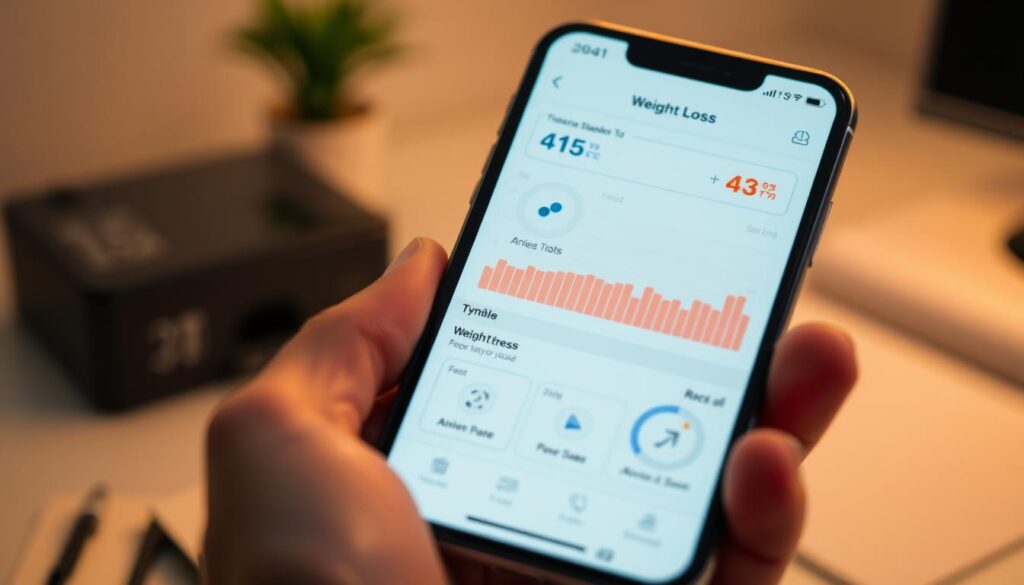
Staying on top of your weight loss journey requires consistent tracking of your progress. By monitoring your food intake, physical activity, and weight loss progress, you can identify areas for improvement and make informed decisions to support your continued success.
Useful Apps and Tools
There are numerous apps and tools available that can help you track your progress. Some popular options include MyFitnessPal, a calorie tracking app, and Fitbit, a fitness tracker that monitors your daily activity. You can also use apps like Lose It! or MyNetDiary to track your food intake and exercise.
Key Features to Look for in a Tracking App:
- Easy-to-use interface
- Comprehensive tracking features
- Personalized recommendations
- Integration with other health and fitness apps
The Benefits of Keeping a Journal
In addition to using apps and tools, keeping a journal can be a valuable way to track your progress. Writing down your thoughts, feelings, and experiences can help you identify patterns and gain insights into your behavior. This can be a powerful tool for staying motivated and overcoming challenges.
Some benefits of keeping a journal include:
- Increased self-awareness
- Improved motivation
- Enhanced reflection and analysis
- Better goal setting and planning
Building a Support System
A support system can provide the motivation and accountability you need to reach your weight loss objectives. Having someone to share your journey with can make a significant difference in your progress.
Finding a Diet Buddy
Finding a diet buddy can be an effective way to stay motivated and engaged in your weight loss journey. A diet buddy can provide emotional support, share tips, and help you stay accountable. You can find a diet buddy through friends, family, or online communities.
- Share your goals and progress with your diet buddy to stay motivated.
- Schedule regular check-ins to discuss challenges and successes.
- Encourage and support each other in your weight loss journeys.
Engaging with Online Communities
Engaging with online communities can provide access to a wealth of educational resources and support. You can connect with others who share your weight loss goals through forums, social media groups, and online support groups.
Online communities can offer valuable tips, advice, and encouragement. You can also share your own experiences and help others who are on a similar weight loss journey.
Some benefits of online communities include:
- Access to a large network of people with similar goals.
- Opportunities to share experiences and advice.
- A supportive environment that fosters motivation and accountability.
Staying Committed to Your Weight Loss Journey
As you progress on your weight loss journey, staying committed is crucial for achieving your goals. This involves not just following a diet or exercise plan, but also adopting a lifestyle that promotes overall well-being.
Achieving Milestones
Celebrating small victories along the way can be a powerful motivator. By acknowledging and appreciating the progress you’ve made, you’re more likely to stay engaged with your weight loss plan. This informative content can help guide you in setting realistic milestones and tracking your success.
Adapting to Challenges
Being flexible and willing to adjust your plan as needed is also vital. Life can be unpredictable, and being able to adapt your weight loss strategy to accommodate changes or setbacks is key to long-term success. Utilizing various learning materials and resources can provide you with the strategies necessary to overcome obstacles and maintain your momentum.
By staying committed, celebrating your achievements, and being open to adjusting your approach, you can ensure a successful weight loss journey and a healthier lifestyle in the long term.
FAQ
What is a healthy rate of weight loss?
A healthy rate of weight loss is typically considered to be 1-2 pounds per week. This rate allows for a gradual and sustainable weight loss, reducing the likelihood of weight regain.
How can I start a weight loss diet without feeling hungry all the time?
To start a weight loss diet without feeling hungry, focus on incorporating nutrient-dense foods, such as fruits, vegetables, lean proteins, and whole grains, into your meals. Eating smaller, more frequent meals can also help manage hunger.
What are some effective ways to stay hydrated during a weight loss journey?
Staying hydrated can be achieved by drinking plenty of water throughout the day, aiming for at least 8 cups (64 ounces) daily. You can also consume hydrating foods like watermelon and cucumbers, and limit sugary drinks.
How can I overcome cravings for unhealthy foods?
To overcome cravings, identify your trigger foods and develop strategies to manage them, such as finding healthier alternatives or distracting yourself with a different activity. Staying hydrated and eating regular, balanced meals can also help reduce cravings.
What role does exercise play in a successful weight loss plan?
Exercise is a crucial component of a successful weight loss plan, as it helps burn calories, build muscle, and boost metabolism. Aim for a combination of cardio, strength training, and flexibility exercises to support your weight loss goals.
How can I track my progress during a weight loss journey?
You can track your progress using various apps and tools, such as food diaries, fitness trackers, or mobile apps that monitor your food intake and physical activity. Keeping a journal can also help you record your thoughts, feelings, and experiences throughout your weight loss journey.
What are some benefits of having a support system during weight loss?
Having a support system, such as a diet buddy or online community, can provide motivation, accountability, and emotional support, helping you stay committed to your weight loss objectives and overcome challenges.
How can I stay committed to my weight loss journey in the long term?
To stay committed, celebrate small victories along the way, and be willing to adjust your plan as needed. Focus on developing sustainable lifestyle habits, rather than relying on quick fixes or fad diets, to achieve long-term weight loss success.