Weekly Clean Eating Prep 100%. Embracing a lifestyle of clean eating can be transformative for your health and wellbeing. At its core, clean eating is about consuming whole, unprocessed foods as much as possible, avoiding additives and preservatives found in packaged foods. However, the thought of planning and preparing healthy meals for an entire week can be daunting.
Effective meal planning is the key to successfully adopting clean eating habits. By dedicating a few hours each week to planning and preparing your meals, you can ensure that you have healthy, nutritious food ready when you need it, saving you time and reducing stress during the week.
This article will guide you through the process of meal prepping for a whole week of clean eating, providing you with practical tips and simple steps to follow.
Table of Contents
ToggleUnderstanding Clean Eating Fundamentals
Clean eating is a nutritional approach that focuses on consuming whole, unprocessed foods to promote overall health and well-being. By adopting clean eating habits, individuals can significantly improve their nutrition and reduce the risk of chronic diseases.
Weekly Clean Eating Prep 100%:
What Defines Clean Eating
Clean eating is characterized by the consumption of whole, nutrient-dense foods, including fruits, vegetables, lean proteins, and whole grains. It involves minimizing the intake of processed and packaged foods that are high in unhealthy fats, added sugars, and sodium. Healthy eating is at the core of clean eating, emphasizing the importance of nutrient-rich foods.
Benefits of Clean Eating for Health and Wellness
The benefits of clean eating are multifaceted, ranging from improved overall health to enhanced mental clarity and energy levels. By focusing on nutrition planning, individuals can ensure they are getting the necessary nutrients to support their health goals. Clean eating can also help with weight management and reduce the risk of chronic diseases like diabetes and heart disease.
| Benefits | Description |
|---|---|
| Improved Health | Reduced risk of chronic diseases |
| Weight Management | Maintaining a healthy weight through balanced nutrition |
| Mental Clarity | Enhanced energy and focus |
Common Misconceptions About Clean Eating
One common misconception about clean eating is that it is overly restrictive or requires a significant financial investment. However, with proper nutrition planning, clean eating can be both accessible and affordable. It’s about making informed choices and being mindful of food quality, rather than following a specific diet or depriving oneself of certain food groups.
Essential Tools and Equipment for Successful Meal Prepping
Having the right equipment is crucial for effective meal prepping, making it easier to prepare healthy meals in advance. With the correct tools, you can simplify your cooking process, save time, and ensure that your meals are nutritious and delicious.
Storage Containers and Organization Systems
A good meal prep starts with proper storage. Invest in a set of high-quality, airtight containers that can keep your food fresh for longer. Glass containers with lids are a great option as they are non-toxic and can be used for both refrigeration and freezing. Organizing your kitchen with stackable containers and dividers can also help maximize your storage space and keep your meal prep area tidy.
Time-Saving Kitchen Appliances
Certain kitchen appliances can significantly reduce the time spent on meal prep. A slow cooker, for instance, allows you to prepare meals that simmer all day, filling your home with delicious aromas. Instant Pots and other pressure cookers can cook food up to 70% faster than traditional methods, making them invaluable for quick meal prep. Additionally, a food processor can chop, slice, and puree ingredients in minutes, streamlining your prep work.
Measuring and Portioning Tools
Accurate measuring and portioning are key to successful meal prepping. Invest in a digital kitchen scale for precise measurements, and use measuring cups and spoons for recipes. Portioning tools like a cookie scoop or a muffin tin can help you divide your meals into consistent servings, making it easier to stick to your dietary plans. These tools are essential for applying meal prep tips effectively.
Planning Your Weekly Meal Plans & Diet Strategies
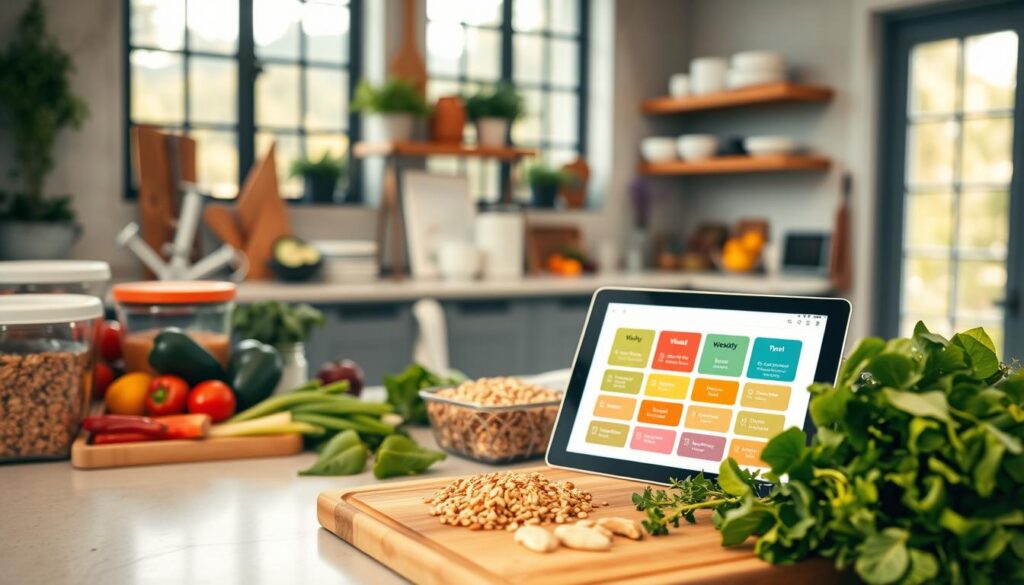
Effective meal planning is the cornerstone of a successful clean eating regimen. It involves a thoughtful approach to organizing your meals for the week, ensuring that you stay on track with your health and wellness goals.
Assessing Your Nutritional Needs
Before creating a meal plan, it’s essential to understand your nutritional requirements. This involves considering factors such as age, gender, activity level, and dietary goals. Nutritional needs vary significantly from person to person, making it crucial to tailor your meal plan accordingly.
Creating Balanced Meal Templates
A balanced meal template should include a mix of proteins, healthy fats, and complex carbohydrates. Using a template helps simplify the meal planning process and ensures that you’re getting a well-rounded diet. Consider consulting with a nutritionist to create a template that suits your needs.
Accounting for Variety and Dietary Restrictions
A successful meal plan should cater to your personal preferences and dietary requirements. Whether you’re vegan, gluten-free, or have other specific needs, your meal plan should be flexible enough to accommodate these restrictions while ensuring variety to keep your diet interesting.
Seasonal Considerations for Ingredients
Incorporating seasonal ingredients into your meal plan can enhance flavor, reduce costs, and support local farmers. Seasonal produce is often fresher and more nutritious, making it a great addition to your clean eating regimen.
By carefully planning your meals and considering your nutritional needs, dietary restrictions, and seasonal availability, you can create a sustainable and enjoyable clean eating plan. This approach not only supports your health and wellness goals but also makes the process of clean eating more manageable and enjoyable.
Smart Grocery Shopping for Clean Eating
Effective grocery shopping is the backbone of a successful clean eating plan. To make the most of your trip to the store, it’s essential to be prepared.
Creating an Efficient Shopping List
Start by planning your meals for the week, considering your dietary needs and preferences. Make a list of the ingredients you need, and stick to it when you’re at the store. This will help you avoid impulse buys and stay on track with your clean eating goals.
Navigating the Grocery Store for Whole Foods
When navigating the grocery store, focus on the perimeter aisles where fresh produce, meats, and dairy products are typically located. These areas tend to have fewer processed foods, making it easier to find whole foods that fit your clean eating plan.
Budget-Friendly Clean Eating Tips
Clean eating doesn’t have to break the bank. To save money, consider buying in bulk, shopping for seasonal produce, and planning your meals around what’s on sale. These budget-friendly clean eating tips can help you eat healthy without overspending.
Reading Labels and Avoiding Hidden Additives
When shopping for packaged foods, it’s crucial to read labels carefully. Look out for hidden additives, preservatives, and excessive sugar or salt. By being mindful of what’s in your food, you can make informed choices that support your healthy eating goals.
By implementing these strategies, you can make grocery shopping a breeze and stay on track with your clean eating plan.
Step-by-Step Weekend Prep Process
Meal prepping for a whole week can seem daunting, but with a structured approach, it becomes manageable and efficient. A well-planned weekend meal prep session is crucial for maintaining a clean eating diet.
Efficient Workflow Organization
To start, organize your workflow by planning out your meals, making a grocery list, and preparing your cooking space. This initial step ensures that you have all the necessary ingredients and tools, streamlining the cooking process.
Batch Cooking Fundamentals
Batch cooking is a fundamental aspect of meal prep. It involves cooking large quantities of a single ingredient or entire meals that can be portioned out throughout the week. This technique saves time and reduces food waste.
Time-Saving Preparation Techniques
Several techniques can significantly reduce the time spent on meal prep. Two key methods include:
Chopping and Portioning
Chopping vegetables and portioning out ingredients in advance can save a considerable amount of time during the week. Use airtight containers to keep ingredients fresh.
Parallel Cooking Methods
Cooking multiple dishes simultaneously is another effective time-saving strategy. Utilize your oven, stovetop, and slow cooker to prepare various components of your meals at once.
Cleanup and Kitchen Reset
After completing your meal prep, take the time to clean your kitchen and reset your cooking space. This final step ensures that you’re left with a clean slate for the week ahead, making the meal prep process more enjoyable and sustainable.
By following this step-by-step weekend prep process, you can make meal prep a seamless part of your routine, ensuring a week of healthy, clean eating.
Clean Eating Protein, Carb, and Fat Preparation
To achieve a balanced diet, it’s essential to understand how to prepare lean proteins, complex carbohydrates, and healthy fats. Proper preparation of these macronutrients is crucial for maintaining a clean eating lifestyle.
Lean Protein Sources and Preparation Methods
Lean proteins are vital for muscle repair and growth. Some excellent sources include chicken breast, turkey, fish, tofu, and legumes. To prepare these proteins, you can grill, bake, or sauté them with minimal oil. For example, grilling chicken breast with a marinade of olive oil, lemon juice, and herbs can enhance flavor without adding extra fat.
- Grilled chicken breast with herbs
- Baked salmon with lemon
- Sauteed tofu with vegetables
Complex Carbohydrate Options
Complex carbohydrates provide sustained energy and are rich in fiber. Examples include quinoa, brown rice, sweet potatoes, and whole-grain bread. To prepare these carbs, you can boil, bake, or roast them. For instance, roasting sweet potatoes with a drizzle of olive oil and a sprinkle of salt can make a delicious side dish.
- Boil quinoa for a nutritious base
- Bake sweet potatoes for a filling side
- Roast vegetables with olive oil
Incorporating Healthy Fats
Healthy fats are essential for brain function and hormone production. Sources include avocados, nuts, seeds, and olive oil. You can incorporate these fats into your meals by adding sliced avocado to your salad or using olive oil for cooking.
Tips for incorporating healthy fats:
- Add avocado to salads or sandwiches
- Use olive oil for sautéing
- Snack on nuts and seeds
Creating Balanced Macro Combinations
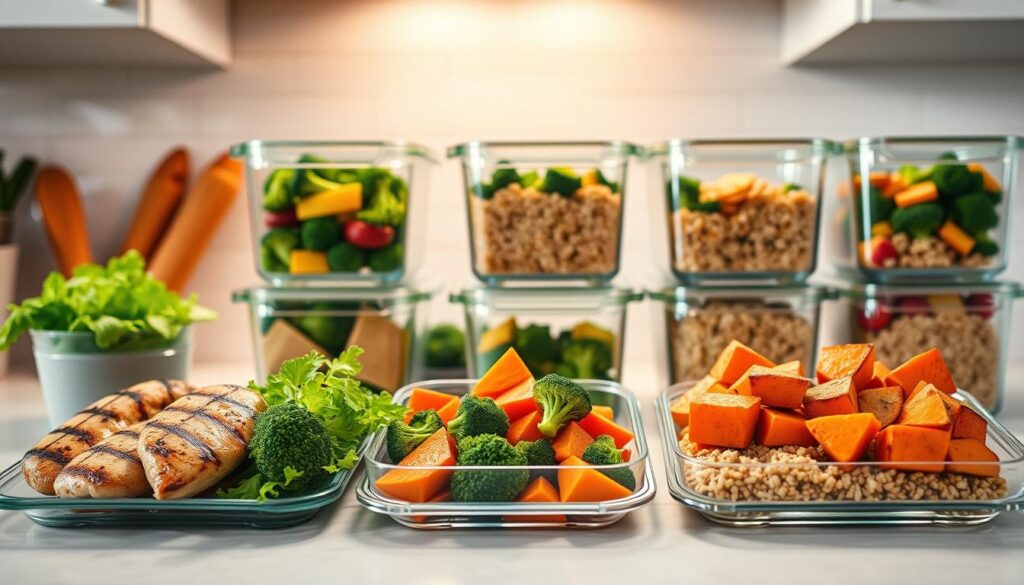
Combining lean proteins, complex carbohydrates, and healthy fats creates balanced meals. For example, pairing grilled chicken with quinoa and steamed vegetables makes for a nutritious meal. Experimenting with different combinations can help keep your meals interesting and satisfying.
Flavor Enhancers Without Additives
Enhancing flavors without additives is possible using herbs, spices, and citrus. For instance, adding fresh herbs like basil or cilantro to your dishes can add flavor without extra salt or sugar. Similarly, squeezing a bit of lemon or lime juice can brighten up your meals.
Popular flavor enhancers:
- Fresh herbs like basil and cilantro
- Citrus fruits like lemon and lime
- Spices such as cumin and paprika
7-Day Sample Meal Plan for Clean Eating
To make clean eating a sustainable lifestyle choice, consider implementing a 7-day meal plan that includes a variety of healthy meals. This structured approach helps ensure you’re getting the nutrients you need while avoiding unhealthy foods.
Breakfast Options Throughout the Week
Starting your day with a nutritious breakfast is crucial. Consider options like overnight oats with fresh fruits, scrambled eggs with spinach, or whole-grain toast with avocado. These breakfast meal plans provide a balanced mix of proteins, healthy fats, and complex carbohydrates.
Lunch and Dinner Combinations
For lunch and dinner, focus on combining lean proteins with complex carbohydrates and a variety of vegetables. Grilled chicken with quinoa and steamed broccoli or baked salmon with brown rice and roasted vegetables are excellent options. These meal plans can be adjusted based on your dietary preferences and ingredient availability.
Clean Snack Preparations
Healthy snacking is an essential part of your meal plan. Prepare snacks like carrot sticks with hummus, a mix of nuts and seeds, or fresh fruit slices. These snacks are not only nutritious but also easy to prepare and pack.
Adapting the Plan to Your Preferences
The key to sticking to your meal plan is to make it flexible and enjoyable. Feel free to swap out ingredients or interchange different protein sources and vegetables to keep your meals interesting. This adaptability is crucial for maintaining a clean eating lifestyle through well-structured meal plans.
Storage and Food Safety Guidelines
Meal prep success hinges on more than just cooking; it also involves proper storage and food safety guidelines. Ensuring that your prepped meals remain fresh and safe to eat is crucial for maintaining their quality and nutritional value.
Proper Container Usage and Organization
Using the right containers is vital for keeping your meals fresh. Air-tight containers prevent moisture and other contaminants from affecting your food. Labeling your containers with the date and contents helps with organization and ensures that you use the oldest items first.
Refrigeration and Freezing Guidelines
Understanding how to store your meals in the refrigerator and freezer is key to maintaining their safety. Refrigerate perishable items promptly, and keep your refrigerator at a temperature below 40°F (4°C). For longer storage, freezing is an excellent option; just be sure to use freezer-safe containers.
Shelf Life of Different Prepped Foods
Different foods have varying shelf lives, even when stored properly. Cooked meals typically last 3 to 5 days in the refrigerator, while frozen meals can last several months. Understanding these timelines helps you plan your meal prep effectively.
Reheating Methods for Optimal Taste and Safety
When reheating your meals, it’s essential to heat them to an internal temperature of at least 165°F (74°C) to ensure food safety. Using a microwave-safe container and covering your food can help retain moisture and promote even heating.
Signs of Food Spoilage to Watch For
Being able to identify signs of spoilage is crucial for food safety. Look for visible signs such as mold, sliminess, or an off smell. If in doubt, it’s always best to err on the side of caution and discard the item.
Conclusion: Sustaining Your Clean Eating Journey
Embracing clean eating and meal prepping can be a transformative experience for your overall health and wellness. By understanding the fundamentals of clean eating, investing in essential tools, and planning your meals, you set yourself up for success. The strategies outlined in this article, from smart grocery shopping to proper food storage, provide a comprehensive approach to maintaining a healthy eating lifestyle.
As you continue on your clean eating journey, remember that consistency and flexibility are key. Allow yourself to adapt to new recipes and ingredients, and don’t be too hard on yourself when faced with setbacks. The benefits of clean eating, including improved energy and overall well-being, make the effort worthwhile. By incorporating healthy eating habits into your daily routine, you’ll be better equipped to sustain a balanced lifestyle.
With a solid foundation in clean eating and meal prepping, you’ll be empowered to make informed choices that nourish your body. Stay committed to your goals, and enjoy the journey towards a healthier, happier you.
FAQ
What is clean eating, and how does it differ from other diets?
Clean eating is an approach to nutrition that focuses on consuming whole, unprocessed foods, excluding additives, preservatives, and artificial ingredients. It differs from other diets by emphasizing the quality of the food rather than calorie counting or restrictive eating.
How do I start meal prepping for a whole week?
To start meal prepping, begin by planning your meals, making a grocery list, and shopping for whole foods. Then, dedicate a few hours on the weekend to preparing and portioning your meals for the week.
What are the benefits of meal prepping for clean eating?
Meal prepping for clean eating saves time, reduces food waste, and helps maintain a healthy diet by ensuring that you have balanced, nutritious meals ready to go.
How do I store my prepped meals to maintain freshness?
Store your prepped meals in airtight containers in the refrigerator or freezer, depending on the food’s shelf life. Label and date the containers to keep track of what you have.
Can I meal prep if I have dietary restrictions or preferences?
Yes, meal prepping can be adapted to accommodate various dietary needs, such as vegan, gluten-free, or low-carb. Plan your meals around your requirements and preferences.
How do I reheat my prepped meals safely?
Reheat your prepped meals to an internal temperature of 165°F (74°C) to ensure food safety. Use a microwave-safe container or reheat on the stovetop or in the oven.
What are some common mistakes to avoid when meal prepping?
Common mistakes include not planning meals in advance, not storing food properly, and not labeling containers. Avoid these mistakes to ensure successful meal prepping.
How can I keep my meal prep interesting and varied?
To keep meal prep interesting, try new recipes, incorporate different cuisines, and vary your protein sources, vegetables, and whole grains. You can also prep different meals for each day of the week.
Can meal prepping help with weight loss?
Yes, meal prepping can help with weight loss by allowing you to control portion sizes, eat nutrient-dense foods, and avoid unhealthy impulse choices.
How do I handle meal prep if I have a busy or unpredictable schedule?
For a busy schedule, prep meals that can be easily reheated or grabbed on the go. Consider prepping snacks or one-pot meals that can be cooked quickly.