Beginner No-Cook Diet Guide 2025. Did you know that nearly 1 in 5 adults in the United States struggles with cooking meals at home due to lack of skills or time? This staggering statistic highlights the need for a diet guide that caters to beginners with no cooking skills.
Table of Contents
ToggleA well-structured diet guide can help individuals adopt healthy eating habits without requiring extensive cooking knowledge. This guide is designed to provide beginners with practical tips and simple meal ideas that can be prepared with minimal cooking skills.
By following this diet guide, individuals can take the first step towards a healthier lifestyle, even with no cooking skills. The guide will cover essential topics, including meal planning, grocery shopping, and preparing simple, nutritious meals.
Understanding Nutrition Basics Without the Complexity
Understanding the basics of nutrition is crucial for making informed dietary choices, even for those with no cooking skills. Nutrition is not just about eating healthy; it’s about understanding what your body needs to function optimally.
Beginner No-Cook Diet Guide 2025: Key Nutrients Your Body Needs
The human body requires a mix of nutrients to function properly. These include carbohydrates, proteins, and fats, along with vitamins and minerals. Carbohydrates provide energy, proteins are crucial for repair and growth, and fats support various bodily functions.
Reading Food Labels for Beginners
Reading food labels is a skill that can help you make healthier choices. Look for labels that list ingredients you recognize and are low in added sugars, salt, and unhealthy fats. Understanding serving sizes and the nutrition facts panel is also crucial.
Setting Realistic Dietary Goals
Setting achievable dietary goals is vital for long-term success. Start by making small changes, such as increasing your intake of fruits and vegetables or reducing your consumption of processed foods.
Daily Calorie Needs Calculator
Calculating your daily calorie needs depends on factors like age, gender, weight, height, and activity level. Using an online calorie calculator can help determine your needs.
Tracking Progress Without Obsession
Tracking your dietary progress can be motivating, but it’s essential to avoid obsession. Focus on overall trends rather than daily fluctuations, and celebrate small victories along the way.
Assessing Your Current Diet: The Starting Point
Before making any dietary changes, it’s essential to assess your current eating habits. This initial assessment will serve as a foundation for creating a personalized diet plan that suits your needs.
Simple Food Journaling Techniques
One effective way to assess your diet is by maintaining a food journal. Record everything you eat and drink for a week or two to identify patterns and habits. This can be done using a traditional notebook or through mobile apps designed for food tracking.
Identifying Problem Areas in Your Diet
Once you have your food journal data, analyze it to pinpoint problem areas. Look for excessive consumption of certain food groups, such as sugars or saturated fats. Identifying these patterns is crucial for making targeted dietary improvements.
Recognizing Hidden Calories and Sugars
Many foods contain hidden calories and sugars that can derail even the best dietary intentions. Be aware of ingredients like high-fructose corn syrup and watch for portion sizes, as they can significantly impact your overall calorie intake.
Common Food Traps for Beginners
Beginners often fall into traps like relying on processed foods or underestimating portion sizes. Being mindful of these common pitfalls can help you navigate your dietary journey more effectively.
| Food Item | Hidden Calories | Hidden Sugars |
|---|---|---|
| Flavored Yogurt | 200 | 30g |
| Granola | 400 | 20g |
| Energy Bars | 250 | 15g |
Essential Kitchen Tools for Non-Cooks
The right kitchen tools can empower individuals with no cooking experience to prepare healthy meals. For those who don’t cook, having the essentials can make a significant difference in meal preparation.
Must-Have Appliances That Do the Work for You
Non-cooks can benefit greatly from appliances that simplify cooking processes. Two such appliances are microwaves and electric kettles.
Microwave Cooking Basics
Microwaves are versatile and can be used for reheating, defrosting, and even cooking certain meals. Microwave-safe containers are a must-have for safe and healthy cooking.
Electric Kettles and Their Uses
Electric kettles are perfect for boiling water quickly, making them ideal for instant soups, oatmeal, or tea. They are energy-efficient and easy to use.
Simple Utensils Every Kitchen Needs
Basic utensils like spoons, spatulas, and whisks are essential. They are used for mixing, stirring, and serving.
Food Storage Solutions for Meal Prep
Effective food storage is crucial for meal prep. Containers that are airtight and microwave-safe can help keep food fresh and ready for reheating.
No-Cook Meal Options for Breakfast
Starting your day with a nutritious breakfast doesn’t have to involve cooking. There are numerous no-cook meal options that are not only healthy but also quick and easy to prepare.
Overnight Oats and Parfait Variations
Overnight oats are a popular no-cook breakfast option. Simply mix rolled oats with milk or yogurt, add your choice of fruits and nuts, and refrigerate overnight. In the morning, you’ll have a delicious and filling breakfast. Parfait variations can be made by layering yogurt, granola, and fresh fruits in a bowl.
Ready-to-Eat Protein Sources
For those looking for protein-rich breakfast options without cooking, consider ready-to-eat sources like Greek yogurt, cottage cheese, or pre-cooked protein shakes. These can be paired with fruits or nuts for added nutrition.
Fruit and Vegetable Breakfast Ideas
Fruits and vegetables can make for a quick and healthy breakfast. Combine fresh fruits like berries, bananas, or mangoes with a handful of nuts or seeds for a nutritious start. You can also blend your favorite fruits and vegetables into a smoothie.
5-Minute Breakfast Combinations
For busy mornings, 5-minute breakfast combinations can be a lifesaver. Try pairing peanut butter with banana slices on whole-grain bread or having a bowl of cereal with milk.
Grab-and-Go Options for Busy Mornings
Grab-and-go options are perfect for those with tight schedules. Prepare overnight oats or parfaits the night before, or grab a piece of fruit and a protein bar on your way out.
With these no-cook breakfast ideas, you can enjoy a healthy and satisfying start to your day without spending time in the kitchen.
Lunch Solutions for the Cooking-Averse
Navigating lunch without cooking skills requires creativity and the right strategies. For those who are cooking-averse, there are still numerous healthy and convenient options available.
Healthy Store-Bought Options
One of the simplest ways to ensure a healthy lunch is by opting for store-bought options that are nutritious. Many grocery stores now offer pre-washed salads, cut vegetables, and fruit that can be easily taken on the go.
- Pre-washed salads
- Cut vegetables and fruit
- Whole grain crackers and wraps
Simple Sandwich and Wrap Combinations
Sandwiches and wraps are versatile lunch options that can be made with a variety of fillings. Using pre-cooked meats, cheeses, and vegetables, one can create a satisfying meal without any cooking.
Example Combinations:
| Main Ingredient | Additional Ingredients | Wrap/Sandwich Type |
|---|---|---|
| Turkey Breast | Avocado, Lettuce | Whole Wheat Wrap |
| Grilled Chicken | Hummus, Cucumber | Whole Grain Sandwich |
Salad Assembly Without Cooking
Salads are a healthy and easy option for lunch. By using pre-cooked proteins and pre-washed greens, one can assemble a nutritious salad in minutes.
Mason Jar Salad Formulas
Layering ingredients in a mason jar creates a visually appealing and convenient salad. Start with the dressing at the bottom, followed by harder vegetables, proteins, and finally greens on top.
Protein-Rich Additions for Staying Power
Adding protein-rich ingredients such as beans, nuts, or pre-cooked chicken enhances the staying power of salads, keeping one full until the next meal.
Example Protein Additions:
- Canned black beans
- Roasted almonds
- Pre-cooked chicken breast
Dinner Strategies: Minimal Effort, Maximum Nutrition
Healthy dinners don’t require extensive cooking skills; simple strategies can lead to maximum nutrition. By leveraging pre-cooked ingredients and straightforward cooking methods, individuals can achieve a balanced diet without spending hours in the kitchen.
Rotisserie Chicken and Pre-Cooked Protein Uses
One of the simplest ways to have a nutritious dinner with minimal effort is by using a rotisserie chicken. This pre-cooked protein can be used in a variety of dishes, from salads to sandwiches, and can be easily shredded or sliced for different recipes.
- Use in salads with mixed greens and your favorite vegetables.
- Make chicken sandwiches or wraps with avocado and tomato.
- Add to soups or stews for an extra boost of protein.
Microwave-Friendly Vegetable Preparations
Vegetables are a crucial part of a healthy diet, and they can be prepared quickly in the microwave. Many vegetables, such as broccoli, carrots, and green beans, can be cooked to perfection in just a few minutes.
Tips for microwave cooking:
- Use a microwave-safe dish and cover with a lid or plastic wrap.
- Add a tablespoon of water to help steam the vegetables.
- Cook on high for 2-3 minutes, adjusting time based on the vegetable.
Heat-and-Eat Options Worth Buying
For those nights when even minimal cooking feels like too much, heat-and-eat options can be a lifesaver. Many grocery stores now offer a range of healthy, pre-prepared meals that just need to be heated.
When selecting heat-and-eat options, consider the nutritional value. Look for meals that are:
- Low in sodium and added sugars.
- High in protein and fiber.
- Made with whole grains and a variety of vegetables.
Evaluating Frozen Meals for Nutrition
Frozen meals can be a convenient option, but it’s essential to evaluate their nutritional content. Check the labels for:
| Nutrient | Ideal Amount |
|---|---|
| Sodium | Less than 600mg |
| Sugars | Less than 10g |
| Protein | At least 15g |
Creating Balanced Plates from Prepared Foods
Even when using prepared or pre-cooked foods, it’s possible to create balanced meals. Aim to include a variety of food groups on your plate:
- A protein source, such as chicken or fish.
- A variety of colorful vegetables.
- Whole grains, like brown rice or quinoa.
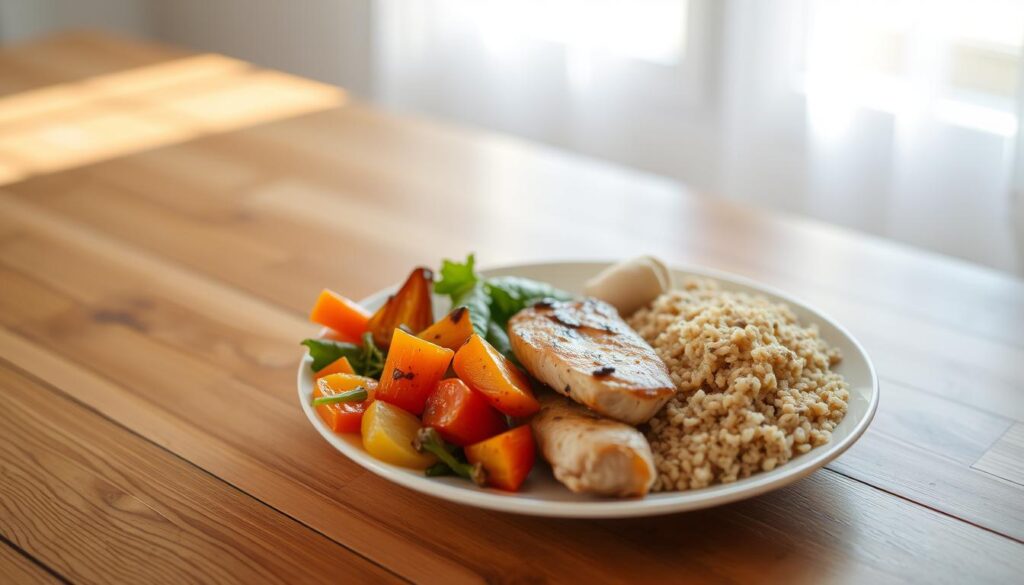
By incorporating these strategies into your dinner routine, you can achieve maximum nutrition with minimal effort, making healthy eating more accessible and sustainable.
Targeted Advice for Special Dietary Needs
Managing special dietary needs without cooking can be simplified with the right strategies and options. Individuals with specific dietary requirements can benefit from tailored advice on maintaining a balanced diet.
No-Cook Vegetarian and Vegan Options
For vegetarians and vegans, no-cook options are plentiful and nutritious. Consider incorporating pre-washed salad mixes, canned beans, and vegan protein sources like tofu or tempeh into your diet.
- Ready-to-eat fruit and vegetable salads
- No-cook energy balls made with oats and nuts
- Vegan smoothies with plant-based milk and protein powder
Low-Carb Eating Without Cooking Skills
Low-carb diets can be achieved without cooking by focusing on raw vegetables, cheese, and protein-rich foods. Salads with pre-cooked chicken or tuna are excellent options.
- Salads with protein sources like chicken or tuna
- Raw vegetable sticks with hummus or guacamole
- Cheese and charcuterie boards
Gluten-Free Solutions for Beginners
For those requiring a gluten-free diet, numerous no-cook options are available. Focus on gluten-free grains like rice and quinoa, and incorporate fresh fruits and vegetables.
When shopping, it’s crucial to read labels carefully to avoid gluten-containing products.
Reading Labels for Allergens and Restrictions
Understanding food labels is vital for managing dietary restrictions. Look for certifications like Gluten-Free or Vegan to ensure compliance with your dietary needs.
Meeting Nutritional Needs with Dietary Limitations
Despite dietary restrictions, it’s possible to meet your nutritional needs. Focus on a variety of whole foods and consider consulting a nutritionist for personalized advice.
| Dietary Need | No-Cook Options | Nutritional Benefits |
|---|---|---|
| Vegetarian/Vegan | Salads, fruit, canned beans | High in fiber, vitamins, and minerals |
| Low-Carb | Raw vegetables, cheese, pre-cooked meats | Rich in protein, healthy fats, and fiber |
| Gluten-Free | Gluten-free grains, fresh fruits and vegetables | Provides essential nutrients without gluten |
Smart Grocery Shopping for the Non-Cook
Non-cooks can still maintain a healthy diet by adopting smart grocery shopping habits. This involves planning, strategy, and knowledge of what to look for in a grocery store.
Creating an Efficient Shopping List
An efficient shopping list is the backbone of smart grocery shopping. It helps in avoiding impulse buys and ensures that one purchases only what is necessary.
- Plan meals for the week.
- Identify the ingredients needed.
- Check what’s already in your pantry.
- Make a list and stick to it.
Navigating the Grocery Store Strategically
Navigating the grocery store strategically can save time and reduce stress. Start with the essentials like fruits, vegetables, and proteins, and avoid the aisles that contain processed and high-calorie foods.
Budget-Friendly Options That Require No Cooking
There are several budget-friendly options that require no cooking. These include:
- Canned goods like beans and tuna.
- Ready-to-eat salads.
- Pre-cut fruits and vegetables.
Seasonal Produce Guide for Savings
Buying seasonal produce can be cost-effective and ensures freshness. Check local farmer’s markets or grocery stores for what’s in season.
Investing in pantry staples like whole grains, nuts, and dried fruits can provide a solid foundation for a healthy diet without cooking. These items are versatile and can be used in various meals.
By implementing these strategies, non-cooks can efficiently manage their grocery shopping, ensuring a healthy and budget-friendly diet.
Healthy Snacking Without Cooking
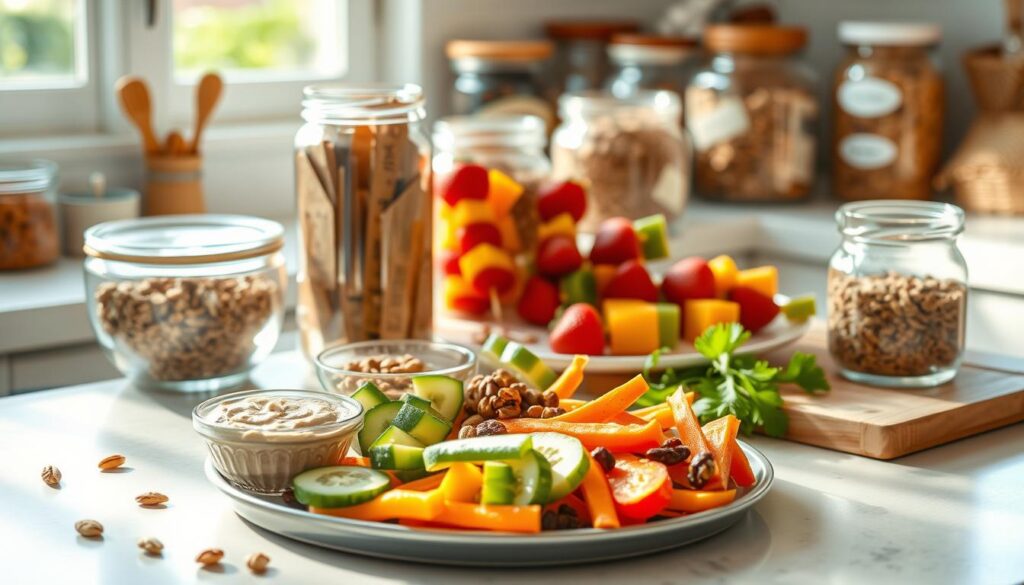
With the right strategies, it’s easy to snack healthily without needing to cook. Healthy snacking is crucial for maintaining energy levels and supporting overall nutrition, especially for those who lack cooking skills.
Portable Protein-Rich Snacks
Protein-rich snacks are essential for satiety and muscle repair. Examples include nuts like almonds and walnuts, seeds such as pumpkin and chia, and ready-to-eat protein bars made from wholesome ingredients.
Smart Carbohydrate Choices
Choosing the right carbohydrates is vital for sustained energy. Opt for whole grain crackers, oat-based snacks, and fresh fruits like apples and bananas. These options are not only healthy but also require no cooking.
Satisfying Sweet Cravings Healthfully
Satisfying sweet cravings without cooking is achievable with the right choices. Dried fruits, dark chocolate squares, and no-bake energy balls made from oats and natural sweeteners are excellent options.
Portion Control Strategies
Controlling portion sizes is key to healthy snacking. Use small bowls or containers to measure out snacks, and avoid eating directly from large bags or boxes.
Snack Combinations for Energy and Satiety
Combining snacks can enhance their nutritional value and satiety. Pair protein-rich foods with complex carbohydrates and healthy fats. For example, apple slices with almond butter or carrot sticks with hummus.
| Snack Type | Examples | Benefits |
|---|---|---|
| Protein-Rich Snacks | Nuts, seeds, protein bars | High in protein, supports muscle repair |
| Smart Carbohydrates | Whole grain crackers, oat-based snacks, fresh fruits | Provides sustained energy, rich in fiber |
| Sweet Treats | Dried fruits, dark chocolate, no-bake energy balls | Satisfies sweet cravings, healthier alternatives |
Conclusion: Building Confidence in Your Diet Journey
Embarking on a diet journey can be daunting, especially for those with no cooking skills. However, with the right guidance, anyone can build confidence in their dietary choices. This guide has provided a comprehensive overview of how to navigate nutrition basics, assess and adjust your current diet, and utilize no-cook meal options for breakfast, lunch, and dinner.
By leveraging essential kitchen tools, smart grocery shopping strategies, and healthy snacking options, individuals can maintain a balanced diet without needing to cook. The targeted advice for special dietary needs has further expanded the possibilities for those with specific requirements, such as vegetarian, vegan, low-carb, or gluten-free diets.
As you continue on your diet journey, remember that building confidence comes from making informed choices and being consistent. The key is to stay committed to your goals and be patient with your progress. With time, you’ll find that maintaining a healthy diet becomes second nature, and you’ll be empowered to make choices that support your overall well-being.
By following the principles outlined in this guide, you can achieve a balanced and nutritious diet, even without cooking skills. This confidence building in your diet journey will have a positive impact on your overall health and well-being, leading to a more fulfilling life.
FAQ
What are the key nutrients that my body needs for a healthy diet?
The body requires a balanced mix of protein, healthy fats, and complex carbohydrates, along with essential vitamins and minerals, to function optimally. Foods rich in these nutrients include lean proteins like chicken and fish, healthy fats found in nuts and avocados, and complex carbohydrates in whole grains and vegetables.
How can I read food labels effectively as a beginner?
To read food labels effectively, start by checking the ingredient list for whole foods and minimal processing. Be aware of serving sizes and nutrition facts, including amounts of added sugars, sodium, and saturated fats. Look for certifications like “USDA Organic” or “Non-GMO” if those are important to your dietary preferences.
What are some simple techniques for journaling my food intake?
Simple food journaling techniques include writing down everything you eat and drink throughout the day, noting portion sizes, and recording the time of day. You can use a physical notebook, a mobile app, or a digital spreadsheet to track your eating habits and identify patterns or areas for improvement.
How can I identify problem areas in my current diet?
To identify problem areas in your diet, review your food journal for patterns of overeating, skipping meals, or relying heavily on processed or high-calorie foods. Consider seeking the help of a registered dietitian or nutritionist for a personalized assessment.
What are some must-have kitchen appliances for someone who doesn’t cook?
Essential kitchen appliances for non-cooks include a microwave for reheating meals, an electric kettle for making hot beverages, and a refrigerator for storing perishable items. These appliances can simplify meal preparation and make healthy eating more convenient.
What are some no-cook meal options for breakfast?
No-cook breakfast options include overnight oats, yogurt parfaits with granola and fruit, and smoothies made with yogurt, fruit, and milk. Ready-to-eat protein sources like hard-boiled eggs, Greek yogurt, and cottage cheese are also convenient.
How can I create healthy lunches without cooking?
Healthy no-cook lunches can be made with store-bought or pre-prepared items like salads, sandwiches, and wraps. Use pre-washed greens, pre-cooked meats, and ready-to-eat cheeses to assemble a quick and nutritious meal. Consider mason jar salads with protein-rich additions for a satisfying option.
What dinner strategies require minimal effort but provide maximum nutrition?
Dinner strategies with minimal effort include using rotisserie chicken or pre-cooked proteins, preparing microwave-friendly vegetables, and selecting heat-and-eat options like pre-cooked lentils or soups. Evaluate frozen meals for nutritional value and create balanced plates by combining prepared foods with fresh vegetables.
How can I shop smart for groceries as a non-cook?
To shop smart, create an efficient shopping list based on your dietary needs and preferences. Navigate the grocery store strategically by shopping the perimeter for fresh produce, meats, and dairy, and being mindful of sales and seasonal produce. Invest in pantry staples that are easy to prepare and nutritious.
What are some healthy snacking options that don’t require cooking?
Healthy no-cook snack options include portable protein-rich foods like nuts, seeds, and energy bars, as well as fresh fruits and cut vegetables with hummus. Smart carbohydrate choices include whole grain crackers and fruits. Satisfy sweet cravings with dried fruits or dark chocolate in moderation.